Why does online gaming feel so close to a live event every single time you log in?
The answer starts with timing. A match does not sit still and wait for you. It begins with other people at the same moment, and that shared start creates the same kind of alert focus you feel before a concert, sports match, or live stream.
That energy comes from more than speed alone. Online play mixes human reactions, unpredictable outcomes, and instant feedback in a way that keeps every session feeling fresh, even when you are in the same game mode again and again.
Shared Timing Creates Real-Time Energy
The first reason online gaming feels live is simple: everyone is reacting in the same moment.
Every Move Happens With Other People Watching
In a solo game, you can pause, think, and move at your own pace. Online, that pause disappears. Other players are making decisions too, and your choice can change their next move. That constant back-and-forth creates pressure and excitement that feels very similar to a live audience waiting for the next play.
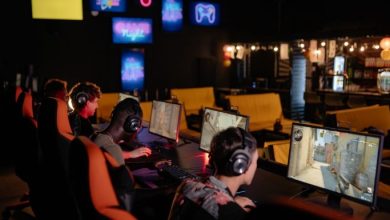
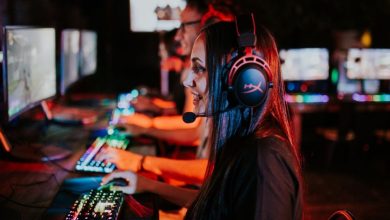
Chat, voice, and quick emotes make it even stronger. You are not just pressing buttons into a system. You are playing in a space where other people see the same action unfold at the same time, which gives the whole experience a live-event feel.
Platforms that focus on fast multiplayer action, such as tangandewa, show how timing and interaction can make even short sessions feel immediate and charged.
Unpredictable Players Keep The Moment Alive
Another big reason is that real people are hard to predict.
Human Decisions Change The Script
Computer-controlled opponents usually follow patterns. Human players do not. Some rush in, some play slow, and some change tactics halfway through a match. That means each round can take a turn you did not expect, just like a live event where the next moment is impossible to fully script.
This unpredictability keeps attention high. You stay alert because one mistake, one clever move, or one fast reaction can change everything. That emotional swing is a big part of why online gaming feels active instead of static.
It also gives every session its own mood. A close finish can feel tense and exciting, while a comeback can feel loud and emotional, even if you are sitting alone at home.
Instant Feedback Makes Everything Feel Immediate
Online games are built to respond right away, and that speed matters.
Fast Results Create Constant Momentum
When you score, miss, win, or lose, the result appears quickly. That instant response keeps your brain locked into the moment. There is no long wait between action and outcome, so each decision feels more important.
That same rhythm is part of live sports and other real-time events. You watch, react, and adjust as the situation changes. Online gaming works in a similar way, which is why even a short session can feel intense and active.
The sound of a notification, a match start timer, or a final score screen can trigger the same rush people get from live action. The format itself supports that feeling by moving at a pace that leaves little room for distraction.
Social Reactions Add To The Atmosphere
Online gaming also feels live because other people react with you.
Shared Emotions Make Moments Bigger
Winning alone is satisfying, but winning while teammates cheer is different. Losing with others who understand the moment is different. Those shared reactions make each match feel like a group event instead of a private task.
Even without voice chat, people communicate through movement, timing, and quick signals. You can feel tension build before a final play, and you can feel relief right after it ends. That social layer gives the session a sense of occasion.
Many players return for that feeling as much as for the gameplay itself. The match is not only about scoring points. It is also about being part of a live moment with other people who care about the same result.
Final Thoughts
One night may bring quick wins, another may bring close losses, and another may turn into a dramatic comeback. Since people keep changing, the mood changes too. It gives you timing, surprise, feedback, and shared emotion all at once. Put together, those pieces make the experience feel less like pressing start on a screen and more like stepping into a live moment that is already in motion.