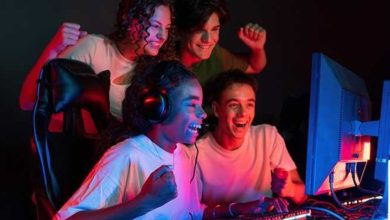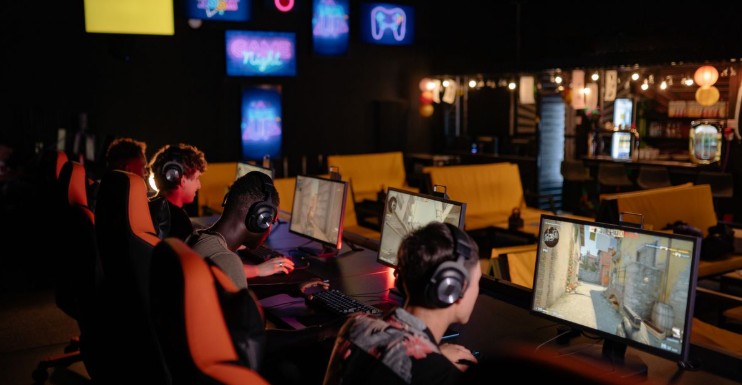
Are you noticing that online games feel less like something you simply play and more like something you take part in? That shift is easy to miss at first, but it changes a lot about how people spend time online. Games are no longer only about scoring points or clearing levels. They now ask players to talk, choose, create, watch, and shape what happens next.
That change matters because participation is deeper than play. When people join a match, respond to live events, or help shape a shared space, they are not just passing time. They are part of an active social and digital habit. That is one reason online gaming has become so central in modern entertainment.
The rise of participation also explains why people keep returning. A game can be fun on its own, but a game that reacts to player actions feels personal. It gives players a role, and that role keeps changing.
From Solo Play To Shared Action
Online gaming once focused mostly on individual performance, but that model has shifted toward shared activity.
Players Shape The Experience
Instead of only following fixed rules, players now help shape the pace and mood of a session. In team-based matches, each choice can affect the group. In open communities, players can chat, trade, vote, or build together. That means the experience is no longer one-sided. It becomes something created through repeated action.
Many players also use games as social spaces, not just as entertainment. A match can become a conversation. A shared mission can become a memory. Even small decisions, like helping a teammate or reacting to an event, can make the experience feel more alive. For readers looking at how online spaces support that kind of activity, https://bandot88.net/ is one example of how digital participation can be framed around active use rather than passive viewing.
Live Features Keep People Involved
Live updates, timed events, and changing challenges keep players checking back. Instead of finishing a game once and moving on, people return to see what has changed. That repeated return creates a habit of participation. It also gives players a reason to stay alert, because the session may shift based on new content or the actions of others.
Why Participation Feels More Meaningful
People often remember what they helped shape more than what they just watched.
Choice Builds A Personal Connection
When a game asks players to make decisions, those choices create ownership. A player may choose a path, a strategy, a character role, or a way to respond to others. Even if the outcome is small, the act of choosing makes the experience feel personal. That is a big part of why online gaming holds attention so well.
This also helps explain why many players talk about games as social experiences. They are not only reacting to content. They are adding to it. They may help set the tone of a session, support a team, or influence an outcome that other people remember too. That shared memory gives participation more weight than simple play.
Community Makes The Activity Stick
Online games often build around repeated contact. Players come back because they know other people will be there. Over time, those repeated interactions create trust, habits, and familiar roles. A player may become the organizer, the strategist, or the quiet helper. Those roles make participation feel stable and meaningful.
How Technology Supports The Shift
The tools behind online gaming make active participation easier than ever.
Fast Connections Support Real-Time Input
Better internet speed and stronger devices let players react in real time. That matters because participation depends on timing. When movement, speech, and decisions happen quickly, players feel more connected to what is happening. The result is a style of play that feels immediate and responsive rather than delayed or distant.
Shared Systems Reward Ongoing Input
Many online games now include systems that track progress, group goals, and player activity over time. These systems reward return visits and regular input. Players are not only shown content. They are asked to help shape it through repeated action. That makes the relationship between the player and the game more active on both sides.
As more people expect interaction from digital media, online gaming keeps moving in the same direction. It is not just about pressing buttons anymore. It is about taking part in a space that changes with every choice, message, and match.