Have you ever worn an outfit that looked wonderful in the mirror but felt uncomfortable after just a few hours? Perhaps the waistband felt too tight, the fabric irritated your skin, or you spent the entire day adjusting your clothes.
Feeling comfortable in your outfits isn’t simply about wearing loose clothing. It involves choosing suitable fabrics, understanding your preferences, and developing styling habits that make everyday dressing easier.
The following ten habits can help you create comfortable, fashionable outfits without compromising your personal style.
1. Choose Clothes Based on Fit Rather Than Size Labels
Clothing sizes can vary between brands, making it difficult to rely entirely on the number printed on a label. A medium in one shop may fit differently from a medium elsewhere.
Instead, concentrate on how the garment feels around your shoulders, waist, hips, and thighs. Move your arms, sit down, and walk around before deciding.
Comfortable clothing should allow natural movement without excessive pulling, tightness, or constant adjustment. If something feels restrictive in the fitting room, it probably won’t become more comfortable during a busy day.
2. Pay Attention to Fabric Before Choosing an Outfit
Fabric plays an important role in how comfortable clothing feels against your skin. Different materials behave differently depending on temperature, humidity, and movement.
Cotton and linen are often comfortable choices for warm weather, while wool blends and heavier knits may be more suitable for cooler conditions.
However, fabric composition isn’t the only consideration. Check the garment’s thickness, lining, and texture before purchasing. For example, a lightweight cotton shirt may feel pleasant during summer, while a tightly woven synthetic blouse might feel less comfortable in humid conditions.
3. Try Different Necklines That Suit Your Preferences
Necklines influence both the appearance and comfort of an outfit. Some people prefer open necklines, while others feel more comfortable with additional coverage.
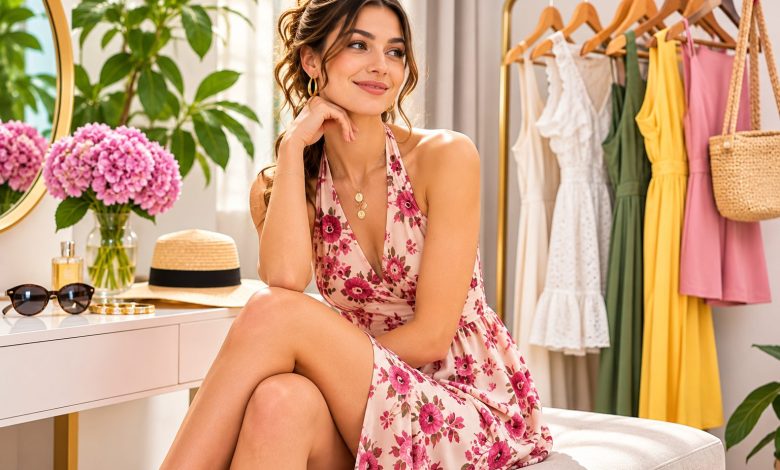
Experimenting with different designs can help you identify what works for your body and daily activities. For example, a halter neck top dress creates an interesting shoulder silhouette and can work well for casual gatherings or evening occasions.
However, pay attention to the fastening and support around your neck. A neckline should feel secure without creating unnecessary pressure or requiring frequent adjustments.
4. Balance Fitted Clothing With Relaxed Pieces
Wearing fitted clothing from head to toe isn’t always necessary to create a fashionable appearance. Combining different silhouettes can make outfits feel more comfortable and visually balanced.
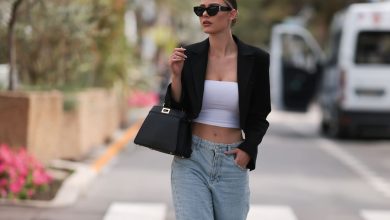
For instance, fitted jeans can work beautifully with a relaxed cotton shirt. Similarly, wide-leg trousers can be paired with a slightly fitted top. This approach allows you to maintain shape while giving certain areas more room for movement.
Choose combinations based on personal comfort rather than following rigid fashion rules.
5. Wear Footwear That Matches Your Daily Activities
Shoes can influence how comfortable you feel throughout the day. Even a carefully planned outfit becomes frustrating when your footwear causes rubbing or discomfort.
Consider your activities before choosing shoes. Supportive trainers may be appropriate for long walks, while comfortable flats or block heels can work for casual gatherings.
Check the fit around your toes and heels, and make sure the shoes provide suitable support. Avoid wearing completely new footwear for an important event without testing it beforehand.
6. Develop a Simple Everyday Colour Combination
Choosing matching colours every morning can become unnecessarily time-consuming. Creating a few reliable colour combinations makes outfit planning more straightforward.
Start with neutral shades such as black, white, beige, navy, or grey. These colours can be combined with brighter clothing when you want additional personality.
For example, cream trousers with a blue shirt create a clean, coordinated appearance. You can also use accessories to introduce colour without changing your entire outfit. The aim is to develop combinations you genuinely enjoy wearing.
7. Use Layers That Are Easy to Remove
Temperatures often change throughout the day, particularly when moving between outdoor spaces and air-conditioned buildings.
Lightweight layering allows you to adjust your clothing without completely changing your outfit.
An open shirt over a sleeveless top works well for casual activities, while a soft cardigan can provide additional warmth indoors.
Choose layers that don’t feel bulky or restrictive when worn together. Pay attention to sleeve width and shoulder fit, especially when combining several garments.
8. Stop Wearing Clothes That Need Constant Adjustments
Some garments look attractive initially but require repeated attention throughout the day. Dresses that ride upwards, slipping straps, and waistbands that twist can quickly become uncomfortable.
Before leaving home, test your outfit by sitting, bending, reaching, and walking. If the clothing shifts excessively, consider a different size, suitable alterations, or another design. Making these checks part of your dressing routine can prevent unnecessary discomfort later.
9. Keep Accessories Comfortable and Practical
Accessories can add personality to an outfit, but they shouldn’t interfere with everyday movement. Heavy earrings, tight belts, and oversized handbags may become uncomfortable when worn for extended periods.
Choose accessories according to the occasion. Lightweight jewellery works well for long outings, while a compact crossbody bag can keep essentials accessible. It’s also worth checking whether belts, necklaces, or bracelets feel comfortable when sitting or moving.
10. Build Outfits Around Your Actual Lifestyle
A fashionable wardrobe should reflect how you spend your time. Clothing that suits an occasional celebration may not be practical for everyday activities.
Consider your work environment, travel habits, local weather, and personal preferences when planning outfits.
If your routine involves considerable walking, comfortable footwear and breathable clothing deserve priority. If you frequently attend social gatherings, keep a few reliable outfits ready.
Conclusion
Developing good styling habits can make a meaningful difference to how comfortable you feel in your outfits. Choosing the right fit, understanding fabrics, balancing clothing silhouettes, and selecting practical accessories all contribute to a more enjoyable dressing experience.
Comfortable fashion doesn’t require abandoning your favourite trends or wearing the same styles every day. Instead, focus on clothing that supports your activities while reflecting your personality.
When comfort becomes part of your everyday styling decisions, getting dressed feels easier, and you can spend more time enjoying your day rather than adjusting your clothes.