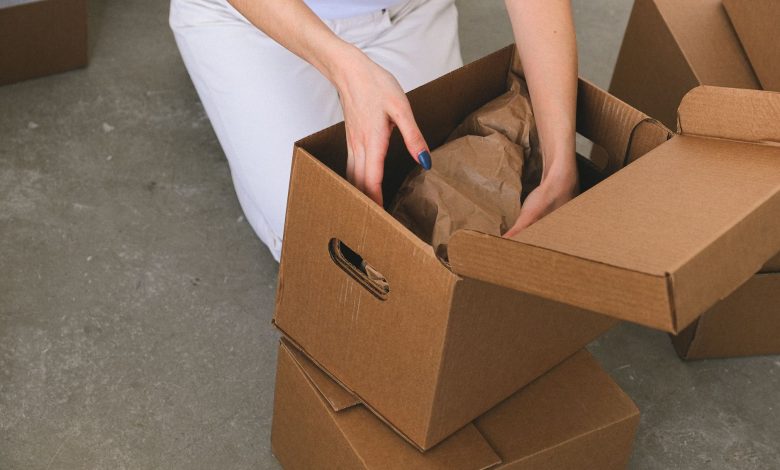
Getting a purchase order from a large retailer is a win. It also starts a clock on specs and delivery windows that don’t leave much room for error. Co-packing and retail-ready packaging help turn finished bulk goods into store-ready cases and shippers that meet those requirements.
Turn bulk inventory into finished retail units
In some food and drink categories, the same word is used for a company that actually makes the product. That’s not what we’re talking about here. For retail orders, co-packing usually means secondary work on goods that are already made. Bulk bottles or pouches arrive as individual items and leave as cartoned sets or shelf shippers that store staff can handle quickly.
Typical work includes cartoning and shrink wrapping, along with unit and case labeling so barcodes scan in the back room and at checkout. A brand can hold plain stock and decide late whether it needs single units or two-packs for a promo. That flexibility helps when buyers change quantities or timing. You don’t need to own the packing line to get the result.
Contract packaging is the wider term for this kind of work, and retail-ready packaging is the outcome buyers want. The goal is simple: a case that protects product in transit and then breaks down into a tray in seconds. Planning the pack around shelf stocking from the start can mean fewer touches and fewer loose units for store teams to handle.
Meet vendor rules and lower chargeback risk
Large chains publish vendor guides that spell out case size and label placement. Pallet height and case count are often fixed, and barcodes must read at both unit and case level. If cartons arrive with the wrong labels or pallets are built the wrong way, the load can be refused or hit with fees. A good co-pack setup checks those details before anything ships.
Specs change fast.
Buyers can update routing or ticketing rules with little warning, and small teams don’t always have time to track each change. A co-pack team that packs for retail every day is more likely to catch those updates and work to the current version. That habit can lower chargeback risk, though it can’t remove it when forecasts or artwork arrive late.
Keep packing and fulfillment under one roof
Moving product between sites adds freight and extra handling. Each load and unload is another chance for damage or mix-ups, and it stretches lead time when a retail order is already tight. When packing happens where inventory is stored and shipped, there are fewer handoffs to manage.
For that reason, brands often outsource co-packing to a partner that also handles their fulfillment, so bulk stock and finished cases sit in one system. Inventory staging gets simpler because you don’t split safety stock across two sites. Reorders and fill-in orders are easier to cover from a single pool.
There’s still work to do on your side. Forecasts and artwork must be locked before the run starts or dates will slip.
Add capacity for promos and seasonal peaks
Retail demand is rarely flat. Holiday sets and limited runs can double pack volume for a few weeks, then fall back just as fast. Most brands can’t justify a dedicated line for that kind of swing. An external packager may provide temporary capacity without requiring you to buy a dedicated line. Confirm available run windows, minimum charges and reservation terms; shared capacity is not automatically available when your peak arrives.
Bundling and point-of-purchase displays are useful for these seasonal runs. Multi-packs and floor shippers can be built from the same base units when the promo calendar calls for them. If the test fails in a small set of stores, you haven’t retooled your own plant.
A negotiated trial run can also let you test a new format without committing to a full rollout. Ask what batch size is practical for a club-size overwrap or variety tray, what setup costs apply and whether the equipment can support larger repeat orders.
Make the pack easy for store teams and shoppers
Store labor is tight, and back rooms don’t have space to break down every case. A floor-ready shipper that opens into a tray lets staff place product with very few touches. That can lower handling time in store when the design matches how the shelf is stocked.
Distribution centers face similar pressure. Clean case labels and consistent case counts help inbound scans and put-away go faster, which can reduce delays before stores get replenished. Food brands face one more check, since materials and allergen controls must stay tight through all that handling.
The pack’s appearance still matters at the shelf. Shoppers can’t try everything, so neat cartons and clear branding can support a first buy when price and placement are close. Think of the pack as part of the product and its appeal to shoppers.
Retail orders reward suppliers that are easy to receive. Co-packing gives brands a way to meet specs and adjust to promos without building new lines. Get those basics right, and you give your product a fair shot once it hits the shelf.