Transforming Traditional Offices into Dynamic Workspaces Through Smart Design

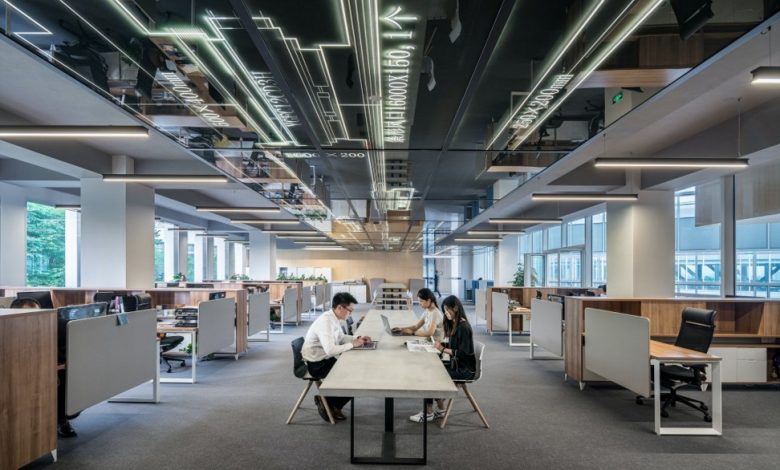
This shift toward agile environments has changed how organizations view their workplace footprint. Once just a maze of cubicles and fluorescent lights, the corporate office has become an essential asset for driving innovation and recruiting elite talent. Flipping a static, traditional layout to one that is fluid and dynamic requires knowledge of human behaviour in space and spatial ergonomics. Businesses create flexible opportunities that promote employee well-being by designing workspaces that inspire workers to deliver their best in an energizing environment and a professional setting.
The Evolution of Collaborative Zones
A major driving force for the transformation of offices is various collaborative zones. Conventional environments restrict meetings to formal boardrooms, which can hinder the free flow of ideas. This is exactly where modern design has taken the axe to this wall by bringing “huddle spaces,” casual lounges, and open-air breakout areas. These zones facilitate casual engagement, as creative problem-solving often occurs spontaneously. Using a movable furniture set within writable wall surfaces, these areas can be adjusted on-the-fly to fit the needs of a given project team. This flexibility means that the physical space can grow and evolve as the company adapts to changing objectives, team structures, etc.
Biophilic integration and Natural light
In short, smart design is largely about making the indoors feel more like the outdoors — a philosophy known as biophilia. Floor-to-ceiling windows, internal courtyards, and a generous presence of indoor plants are more than aesthetic elements; they are fundamental parts in preserving high rates of cognitive performance and alleviating stress at work. One of the main reasons is natural light, which regulates circadian rhythms, ultimately improving sleep quality and business hours’ energy levels. Add in a few air-purifying plants and natural textures, such as reclaimed timber or stone, to transform the sterile office atmosphere into one of serenity. Such an all-encompassing approach toward wellness illustrates a trend among creative workplace design solutions across Melbourne offices to establish competitive advantages in staff retention.
Technology as an Invisible Enabler
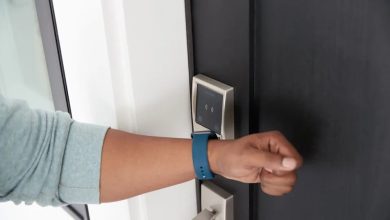
An adaptive workplace is one that integrates the technology seamlessly so it feels with you rather than through your accessory. Integrated systems can handle everything from desk booking to climate control, making the workflow in smart offices seamless. Sensor occupancy data can passively monitor the usage patterns of a room, enabling facility controllers to optimize energy consumption and locate any underutilized zones on their floor plan. Additionally, seamless wireless connectivity and universal charging stations throughout the office promote mobility. When employees are not chained to a desk by a spaghetti of cables, they can select an environment that fits the task at hand—a quiet library zone for concentrated focus or bright shared table for group brainstorming.
The Importance of Acoustic Privacy
With walls down to create open plans, designers now have to address acoustic distractions. Smart design adds “acoustic layering” in the form of sound-absorbing panels, felt partitions, and specialized ceiling baffles to mask the din of a busy office. Strategically placed quiet pods or “phone booths” offer necessary separation for confidential calls or intense solo work, ensuring the buzz of a collaborative space will not deter critical individual contributions. The quality workplace design Melbourne professionals often deploy high-density materials and careful spatial buffering to carve out a more even acoustic landscape where teamwork can frictionlessly overlap with individual and even team-based work.
Fostering a Culture of Choice
In the end, it is those workplace transformations that give power to the individual that are going to be most successful. A palette of places allows an employee to kick off their morning at a standing desk, grab a midday check-in at a community cafe-style table, and end their afternoon in an inviting armchair. This autonomy fosters trust and shows that the organization prioritizes results over merely occupying an assigned desk. For example: Environmental psychology/cultural diffusion, which allows you to look up literature on how subtle changes in lighting and seating arrangement create a massive force within cultural engagement/employee motivation.
Conclusion
Converting a traditional office into an energetic work environment is not a stop on the way but rather a continuous process. It demands a dedication to hearing out the needs of employees, along with an openness to trial new floor plans and technologies. A company that emphasizes flexibility, biophilia, and acoustic balance establishes a connection between the physical environment and its internal values: agility and innovation. An office with good design is the physical manifestation of your brand when clients and employees get to step inside a space that they can feel has purpose and energy. Despite the increasing overlap between work and life, the physical office remains a vital space for fostering human connections and shared aspirations, particularly if it is designed with a forward-thinking approach.