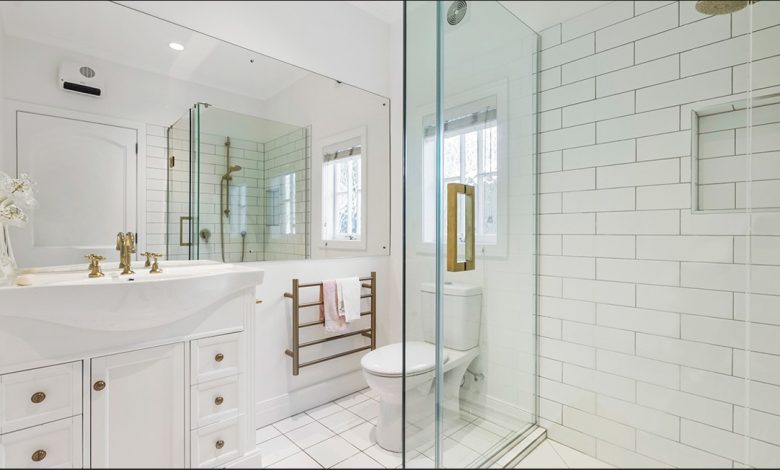
Commencing a home improvement project in the Victorian capital requires a strategic approach to planning, design, and local coordination. For many homeowners, the bathroom is a sanctuary, yet the process of transforming it from a dated space into a modern oasis can feel overwhelming without a clear roadmap. Understanding the logistical nuances of the local market ensures that you can manage your expectations regarding labour availability, material shipping times, and building regulations. By familiarizing yourself with the standard phases of construction, you can transform a potentially chaotic endeavour into a structured and rewarding investment that significantly enhances the market value of your property.
Initial Consultation and Design Philosophy
The initial phase of any successful project entails a thorough exploration of functional requirements and aesthetic aspirations. During this phase, you will meet with designers to discuss spatial layouts, lighting schemes, and the selection of fixtures that withstand the local climate. Melbourne homes often feature a mix of heritage architecture and contemporary extensions, meaning that plumbing configurations can vary wildly from one suburb to the next. Designers will help you navigate the balance between luxury features, such as underfloor heating or freestanding stone baths, and the practical constraints of your existing footprint. This is also the time to finalize your budget, ensuring that a contingency fund is set aside for any structural surprises that may be uncovered once the original walls are removed.
Demolition and Structural Assessment
Once the design is finalized and protective coverings are laid down to shield the rest of your home from dust, the demolition phase begins. This is often the loudest and most intrusive part of the process, as old tiles, cabinetry, and flooring are stripped away to reveal the bare “bones” of the room. It is during this stage that builders check for signs of water damage, wood rot, or outdated wiring that must be addressed before new installations occur. Because many older homes in the area were built with specific timber or masonry techniques, having an expert eye on-site during demolition is crucial. They will ensure that the structural integrity of the house remains uncompromised while preparing a clean slate for the incoming plumbing and electrical rough-ins.
Rough In and Internal Infrastructure
Following demolition, licensed tradespeople arrive to install the internal components that will eventually sit behind your beautiful new tiles. This involves the “roughing in” of water pipes, drainage lines, and electrical conduits for power points and exhaust fans. In Victoria, strict compliance with the Victorian Building Authority standards is mandatory, and skipping these steps can lead to significant legal and safety issues down the line. If you are looking for professional guidance on scheduling these trades, a clear bathroom renovations Melbourne timeline will help you understand how each specialist fits into the broader construction sequence. This phase is critical because once the walls are sheeted and waterproofed, making changes to the position of a showerhead or a vanity becomes an expensive and labor-intensive task.
Waterproofing and Surface Preparation
Waterproofing is arguably the most vital step in the entire renovation process. In the local climate, where moisture levels can fluctuate, a failed waterproof membrane can lead to catastrophic structural failure and mould growth. Professionals will apply multiple layers of specialized sealant to the floor and “wet areas” of the walls, which must then be allowed to cure completely. Following this step, the screeding process levels the floor to ensure that water flows correctly toward the drains. One intriguing topic for homeowners to research is the evolution of eco-friendly waterproofing membranes, which offer superior protection without the harsh chemical off-gassing found in older products. Once the surfaces are primed and tested, the room is finally ready for the aesthetic transformation to begin with the arrival of the tilers.
Tiling and Final Fit Out
The visual character of the room truly emerges during the tiling phase. Whether you have chosen large-format porcelain slabs or intricate subway tiles, the precision of the grout lines and the alignment of the patterns define the quality of the finish. After the tiles are set and grouted, the final “fit-out” takes place. This is when the vanity, toilet, shower screens, and tapware are installed. The electrician will return to fit the light fixtures and heat lamps, while the painter applies the final coats of moisture-resistant paint to the ceiling and any non-tiled wall surfaces. A final silicon seal is applied around all joints to ensure a seamless, water-tight finish that looks polished and professional.
Conclusion
A successful transformation of your private space is a journey of patience and precision. While the middle stages of a project can feel like a blur of dust and noise, the end result is a tailored environment that reflects your personal style and meets your daily needs. By choosing the right team for Bathroom Renovations Melbourne and staying informed about each phase of the build, you minimize the risk of delays and maximize the longevity of your investment. From the initial spark of a design idea to the final turn of a high-quality chrome tap, every step contributes to a home that is more comfortable, functional, and valuable. Clear communication with your contractors and a solid understanding of the building process will ensure that your new bathroom remains a highlight of your home for many years to come.